Road Signs Every Truck Driver Should Know (According to FMCSA)
5 min read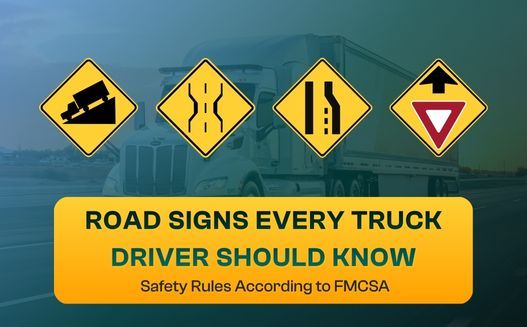
Safety Rules Every Trucker, Dispatcher & Freight Originator Should Truly Understand
There’s something you only realize once you’ve spent enough time around trucks — driving a commercial truck is nothing like driving a regular vehicle.
I mean, sure, both have wheels and engines. But that’s where the similarity ends.
A semi-truck is heavier, taller, wider… and it moves like a beast that needs time to stop, time to turn, and time to react. And because of that, the FMCSA didn’t create road signs as “suggestions.” They created them to protect lives, equipment, cargo, and the trucking industry itself.
I’ve noticed this again and again: when drivers understand these signs and take them seriously, everything becomes easier — fewer violations, fewer headaches, and a whole lot fewer sleepless nights.
1. Regulatory Signs - The Rules You Can’t Ignore
These are not the kind of signs you “interpret.”
If you ignore regulatory signs, you’re literally gambling with fines, CSA points, and even your CDL.
You’ve probably seen:
Weight Limit Signs– like “Maximum Load 10 Tons.”
They’re there to protect bridges and road infrastructure. And yes, if your gross vehicle weight goes beyond that number, the consequences are very real.
No Trucks / No Commercial Vehicles – usually found in residential streets or downtown areas.
If a dispatcher routes a truck through one of these zones… let’s just say the penalty isn’t light.
Truck Speed Limits – because the stopping distance for a truck isn’t even close to a regular car.
Lane Restrictions – telling trucks to stay in a particular lane, mostly the right lane, for traffic safety.
No Hazardous Materials – especially around tunnels and bridges.
The point is simple: these signs exist because the road wasn't built for every truck. And ignoring them isn’t just illegal — it's risky. 2. Warning Signs - The Road’s Way of Whispering “Be Ready.”
These signs don’t punish you directly. They warn you before the road does.
I still remember the first time I rode with a driver who ignored a steep grade sign.
He said, “We’ll be fine.”
The brakes didn’t agree.
Some warning signs that truckers must pay attention to:
Steep Grade / Hill– switch to a lower gear first, not when the speed gets out of control.
Sharp Curve or Winding Road – trucks don’t forgive sharp turns the way small vehicles do.
Slippery When Wet – rain, snow, or even oily pavement can turn a 40-ton vehicle into a slide.
Truck Rollover Area– a quick sign that says: slow down now, not later.
Warning signs aren’t there to scare you — they’re there to give you time. And when you’re hauling thousands of pounds, time is everything.
3. Bridge Height & Clearance Signs - Know Your Truck Before the Road Knows You
If there’s one mistake truckers wish they could erase from their careers, it’s a bridge strike.
It’s public, embarrassing, expensive, and incredibly preventable.
Signs like:
“Clearance 12’-6”
“Low Bridge Ahead”
These are not optional reading.
A truck driver must know the exact height of the tractor, trailer, and load. It’s not just suggested — FMCSA makes it mandatory. And if you hit a bridge, you’re responsible for the damage, delays, and sometimes even structural shutdowns.
If there is a sign that every dispatcher and freight originator needs to double-check on a route, it’s clearance.
4. Truck Route & Directional Signs - Your Best Friend on the Road
When these signs are followed, the trip feels smooth. When they’re ignored… welcome to detours, fines, and lost hours.
Truck Route– safest and most permissible path for freight.
Truck Detour – Temporary Directions Due to Construction or Closures. (These matter a lot at night when GPS is confused.)
Exit Only – miss it, and you risk last-minute lane change accidents.
And here’s something many beginners don’t realize: Dispatchers and freight originators shape these decisions before drivers even hit the road. A well-planned route saves fuel, time, reputation, and sanity.
5. Hazardous Material (HAZMAT) Signs - When the Rules Get Even Stricter
The world becomes a lot more rule-driven when hazardous goods are involved.
Signs often indicate:
Which tunnels or roads can HAZMAT loads not enter
Mandatory stops at railroad crossings — even if the track looks clear
Ignore a HAZMAT sign, and you’re not just breaking a rule. You’re risking criminal charges. That’s how seriously regulators take it — and honestly, they should.
Why All These Signs Matter - Beyond Just “Legal Requirements”
FMCSA statistics show something that always surprises new drivers:
Most truck accidents don’t happen because drivers lack skill.
They happen because drivers didn’t notice or didn’t follow a road sign.
Bridge clearance mistakes, missed weight restrictions, overturned trailers on sharp curves — all preventable.
When drivers and dispatchers read and respect signs:
- DOT violations drop dramatically
- CDL records stay clean
- Accidents are avoided
- Fuel and miles are saved
- Deliveries are smoother and stress-free
It’s amazing how much gets better when signs are treated as partners, not obstacles.
Final Thought
Whether you’re behind the wheel, behind the screen dispatching loads, or coordinating freight as an originator, knowing road signs isn’t “basic knowledge.” It’s the foundation of professional, safe, and respected trucking.
The industry runs smoother when every person involved understands that signs aren’t there to slow us down; they’re there to make sure we arrive.
Keep reading
Not sure which program fits?
Talk to our team and we will match you with the right training program, explain the requirements, and get you enrolled the same week.